Dec 31, 2025
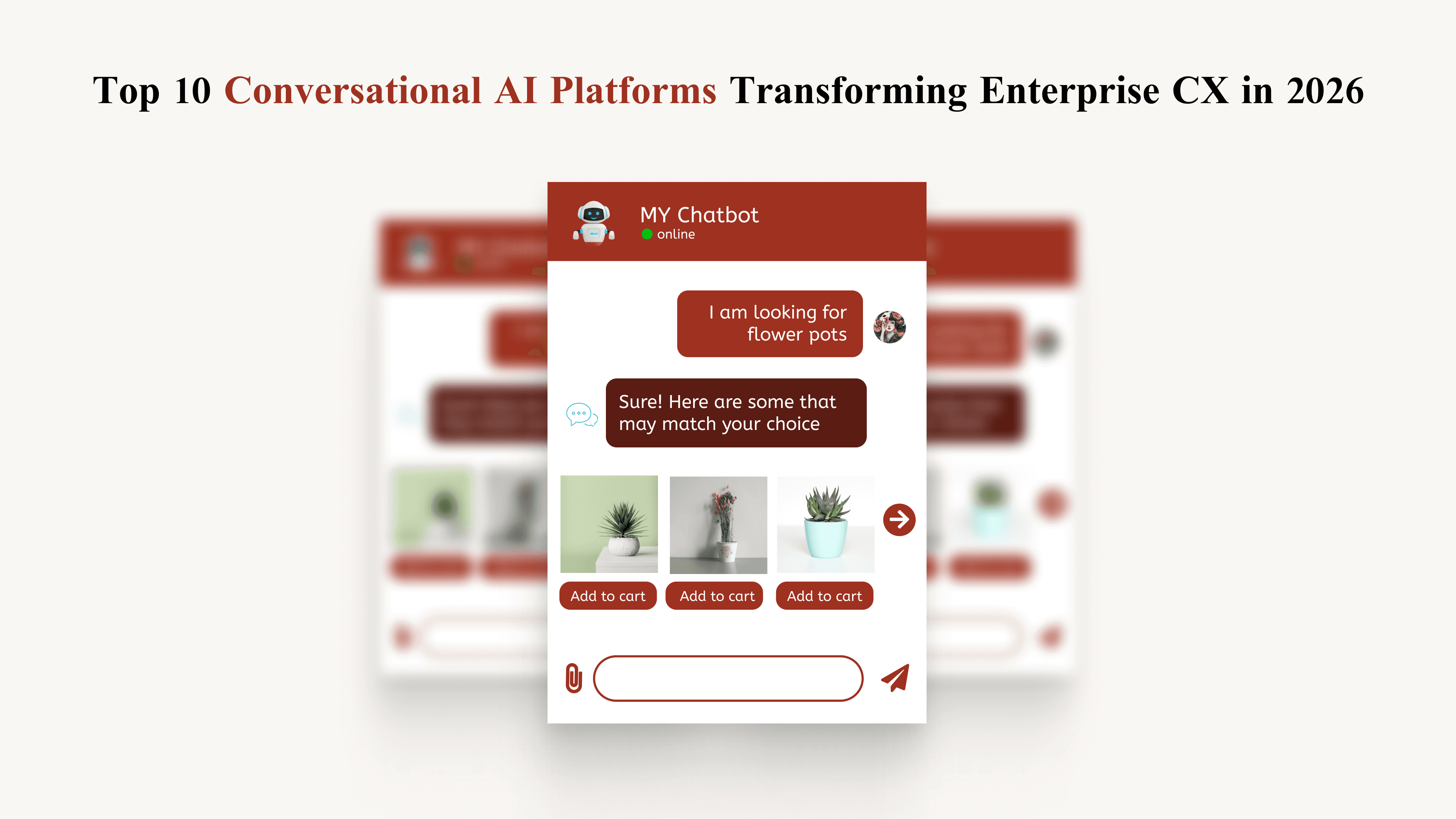
Top 10 Conversational AI Platforms Transforming Enterprise CX in 2026
Enterprise customer experience has entered a new phase where speed, language flexibility, and accuracy define success. Customers expect instant, natural conversations across voice, chat, and social channels, not scripted responses or long wait times.
As digital interactions multiply, enterprises can no longer depend on human teams or legacy chatbots to handle every query. They need intelligent systems that understand context, retain memory across sessions, and scale effortlessly without compromising compliance.
The conversational AI market is expected to grow to $41.39B by 2030 at a 23.7% CAGR. This growth shows that conversational AI is now the foundation of digital-first engagement.
In this blog, we explore what a conversational AI platform is, the features that define enterprise-grade solutions, and the top platforms leading this transformation in 2026.
TL;DR
Conversational AI platforms automate natural, context-aware interactions across voice, chat, and social channels, enhancing customer experience in 2026.
Key features include multilingual support, omnichannel deployment, NLU, and seamless integration with enterprise systems like CRMs and ERPs.
Top platforms include CubeRoot, Sprinklr, and IBM Watsonx, each offering unique strengths in scalability, compliance, and automation.
The future of conversational AI involves proactive decision-making, multimodal interfaces, and continuous learning for real-time improvement.
Industries like BFSI, healthcare, and retail benefit most from AI-driven automation, improving efficiency and customer engagement at scale.
What Is a Conversational AI Platform?
A conversational AI platform enables businesses to automate natural, two-way communication across chat, voice, and messaging channels. It uses natural language processing (NLP), speech recognition, and machine learning to understand intent, respond contextually, and execute tasks.
Unlike rule-based chatbots or IVR systems, these platforms learn from every interaction. They retain context, adapt to user behavior, and integrate with enterprise systems such as CRMs and ERPs to complete actions like processing refunds, scheduling calls, or collecting feedback.
A robust platform typically includes three layers:
Understanding Layer: Interprets language and intent.
Orchestration Layer: Connects with databases and APIs for actions.
Engagement Layer: Delivers responses in real time via chat, voice, or messaging.
For enterprises, this creates consistent, personalized, and scalable interactions that feel human while reducing operational effort.
Key Features That Define a Strong Conversational AI Platform
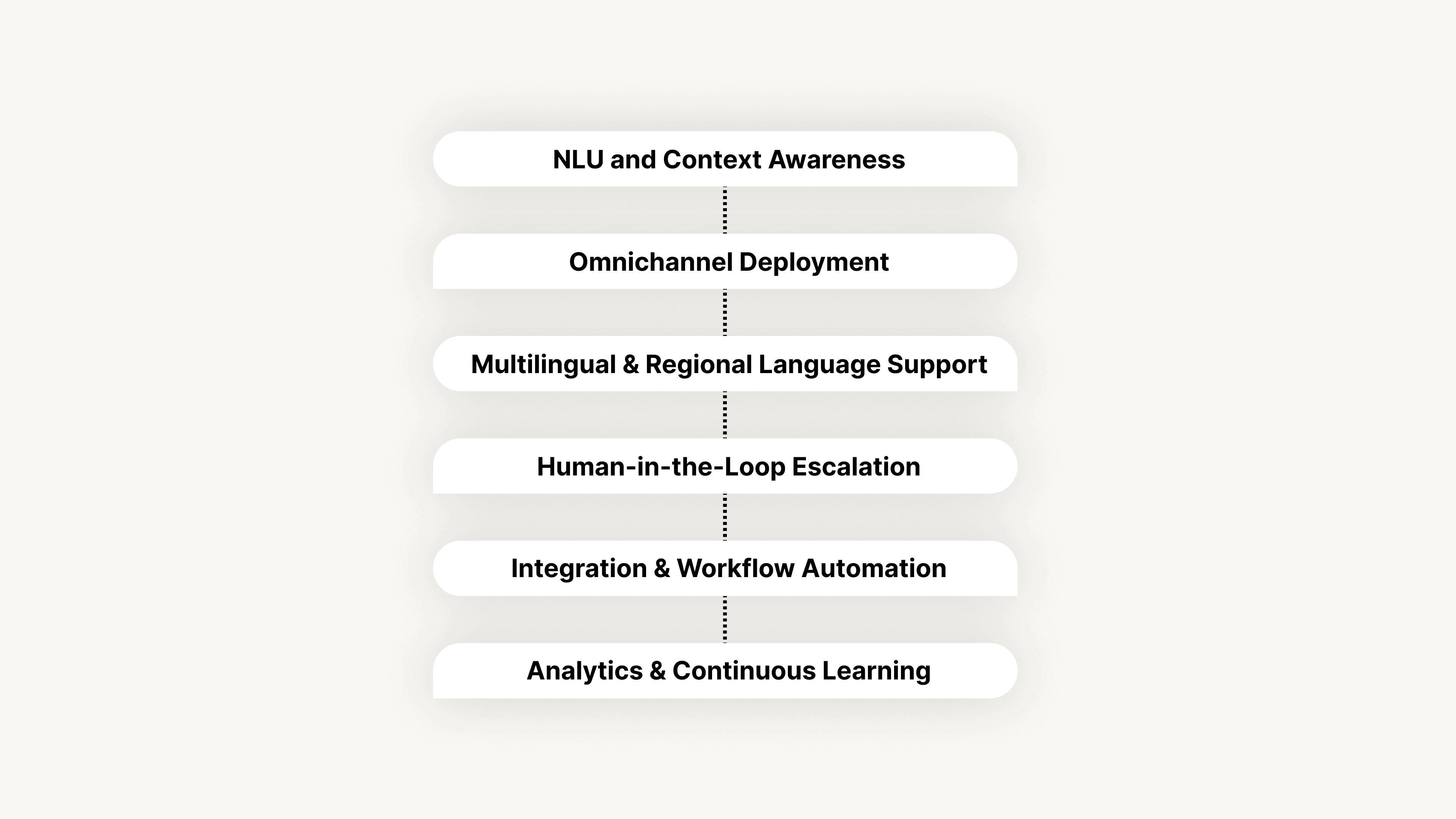
The best conversational AI platforms don’t just automate responses; they deliver intelligent, compliant, and scalable interactions that align with business goals. Here are the defining features that set them apart.
1. Natural Language Understanding (NLU) and Context Awareness
Function: Interprets intent, emotion, and linguistic nuances across text and speech.
Outcome: Enables more human-like conversations that adapt to the user's tone and history rather than relying on static keywords.
2. Omnichannel Deployment
Function: Connects chat, voice, social media, email, and web under a single orchestration layer.
Outcome: Creates consistent customer experiences, whether the interaction starts on WhatsApp or transitions to a phone call.
3. Multilingual and Regional Language Support
Function: Supports multiple languages and dialects, including code-mixed queries like Hinglish or Tanglish.
Outcome: Expands customer reach in linguistically diverse markets and improves engagement quality.
4. Human-in-the-Loop Escalation
Function: Seamlessly transfers complex or sensitive cases to live agents with full context.
Outcome: Reduces customer frustration while maintaining efficiency and compliance.
5. Integration and Workflow Automation
Function: Connects directly with CRMs, ERPs, and ticketing systems through APIs.
Outcome: Enables real-time actions such as lead updates, order tracking, or policy verification.
6. Analytics and Continuous Learning
Function: Monitors conversations, identifies trends, and refines responses using feedback loops.
Outcome: Improves accuracy, reduces errors, and keeps interactions relevant as business conditions evolve.
These features transform conversational AI platforms from reactive tools into intelligent systems capable of understanding, executing, and improving autonomously.
Related: Conversational AI for Customer Service: Benefits and How It Works
Top 10 Conversational AI Platforms in 2026
As conversational AI becomes essential to enterprise CX, dozens of platforms now offer automation, multilingual capabilities, and AI-driven engagement. The following list highlights the top 10 conversational AI platforms in 2026, selected based on scalability, enterprise readiness, industry adoption, and innovation.
1. CubeRoot
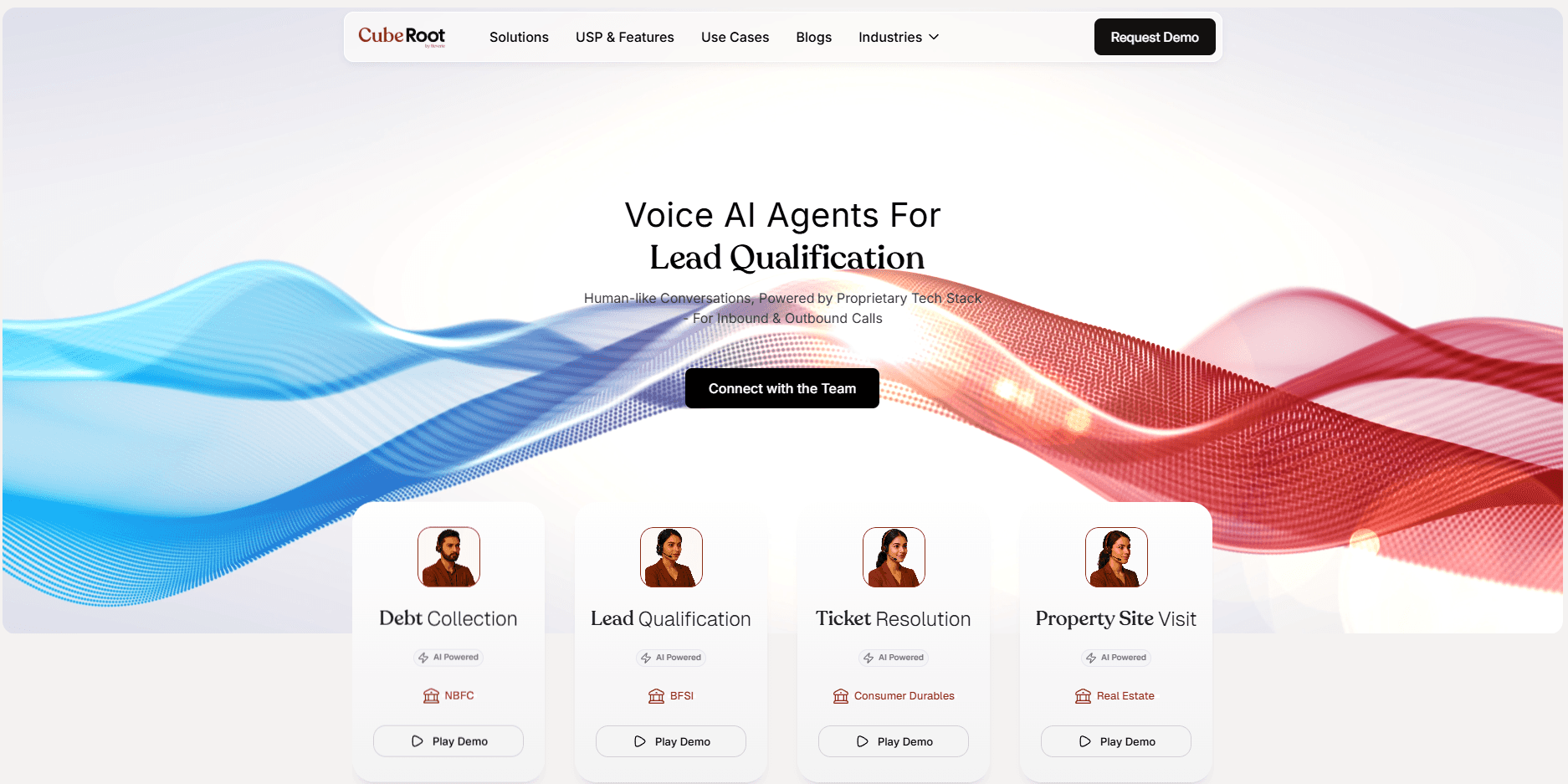
CubeRoot is an India-based enterprise Voice AI platform that automates inbound and outbound conversations across BFSI, retail, healthcare, SaaS, and D2C sectors. It enables businesses to deploy multilingual, domain-trained voice agents that handle large-scale customer interactions with human-like fluency and context awareness.
Core Capabilities
Multilingual voice automation covering major Indian languages and English
Domain-specific workflows for BFSI, eCommerce, and healthcare
Integration-ready with CRMs, ERPs, and contact center systems
Compliance-friendly with voice logging, audit trails, and secure hosting
Real-time call analytics and agent performance dashboards
Best For: Enterprises seeking scalable, multilingual voice automation that integrates easily with existing systems while maintaining compliance and contextual accuracy.
Pros and Cons
Pros:
Purpose-built for high-volume enterprise voice operations
Strong domain specialization in BFSI and healthcare
Quick deployment using prebuilt workflows and APIs
Cons:
Brand footprint still expanding internationally
Transform customer conversations at scale, deploy CubeRoot’s multilingual Voice AI and let every call deliver impact.
2. Sprinklr
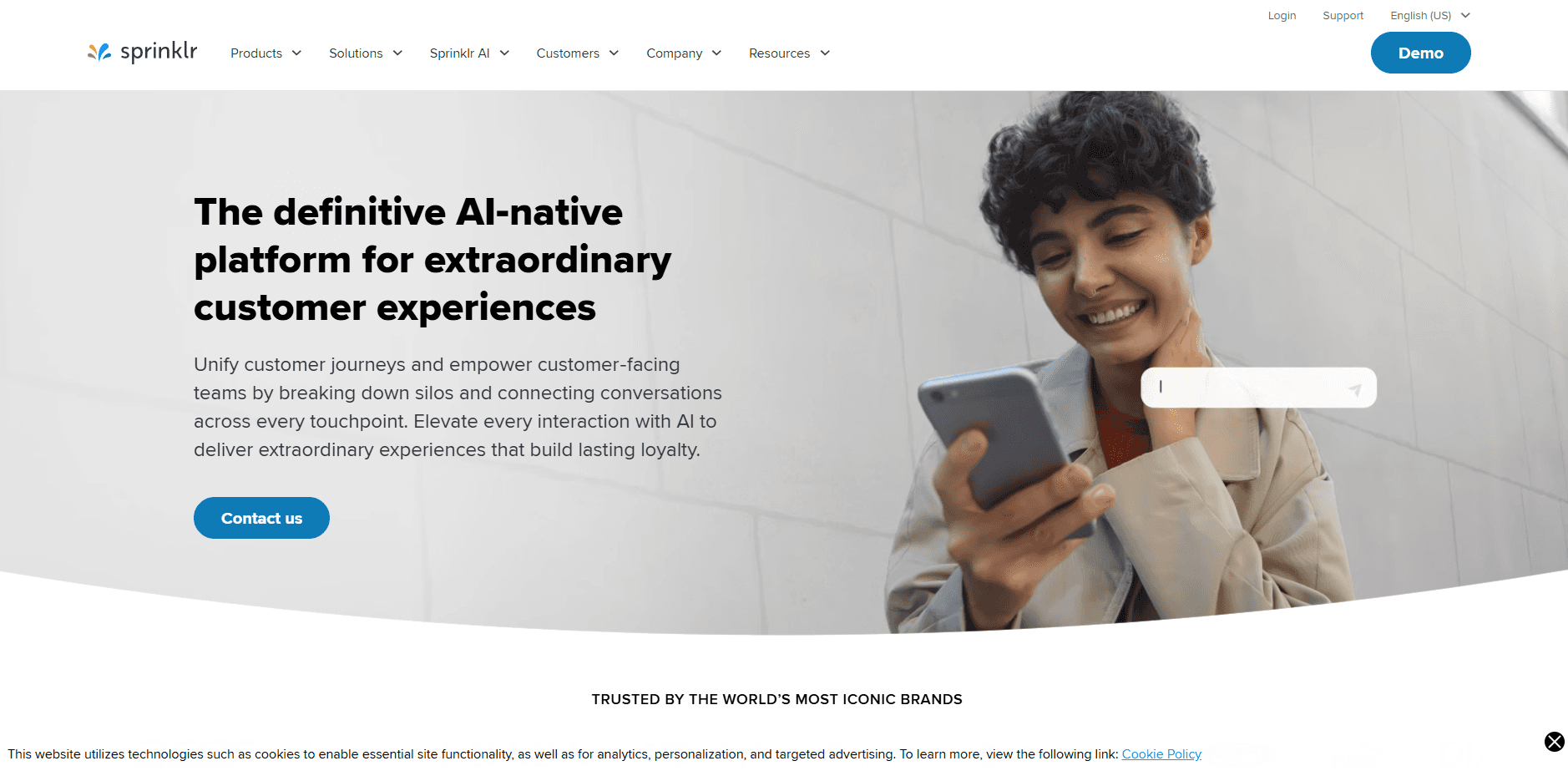
Sprinklr’s Conversational AI is part of its unified CX suite, helping enterprises manage voice, chat, and social interactions through a single interface. It automates support, routes queries intelligently, and maintains consistent brand experiences across channels.
Core Capabilities
AI intent recognition and contextual routing
Omnichannel coverage for chat, email, voice, and social media
Integration with Sprinklr Service and Marketing Cloud
Real-time analytics and sentiment tracking
Best For: Enterprises managing high interaction volumes across multiple channels.
Pros and Cons
Pros: Unified CX suite, strong analytics, global scalability
Cons: Complex setup for small teams, higher cost than focused tools
3. IBM Watsonx Assistant
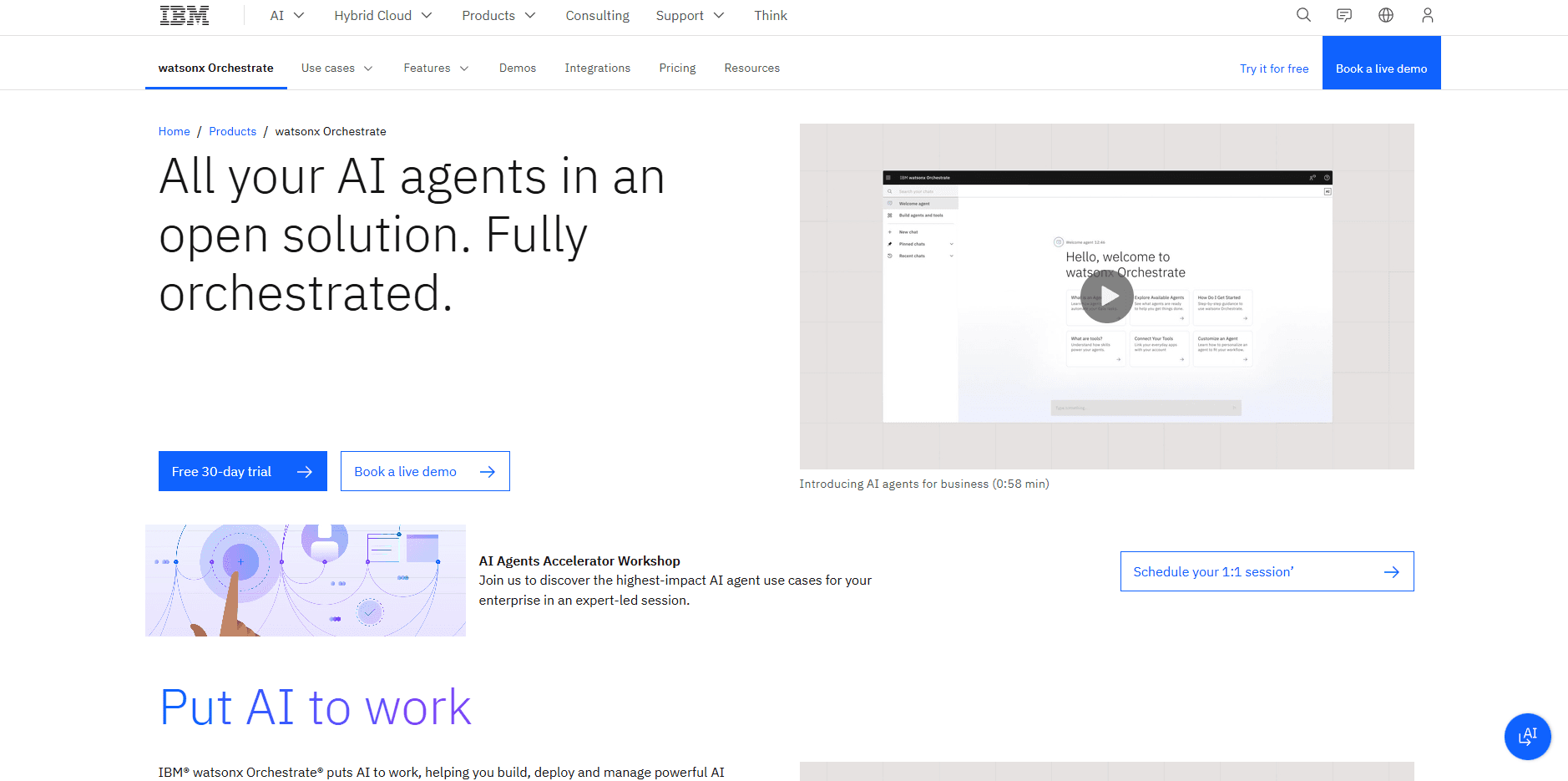
IBM Watson Assistant is an enterprise conversational AI platform built for automation in compliance-driven sectors. It enables secure, context-aware virtual assistants integrated with IBM’s data and analytics ecosystem.
Core Capabilities
Natural language understanding with context retention
Integration with IBM Cloud and WatsonX data systems
Cloud, on-premise, or hybrid deployment
Visual workflow builder and built-in analytics
Best For: Enterprises in regulated sectors like BFSI, healthcare, and government.
Pros and Cons
Pros: Secure, transparent, multi-environment support
Cons: Requires technical setup, higher ownership cost
4. Amelia
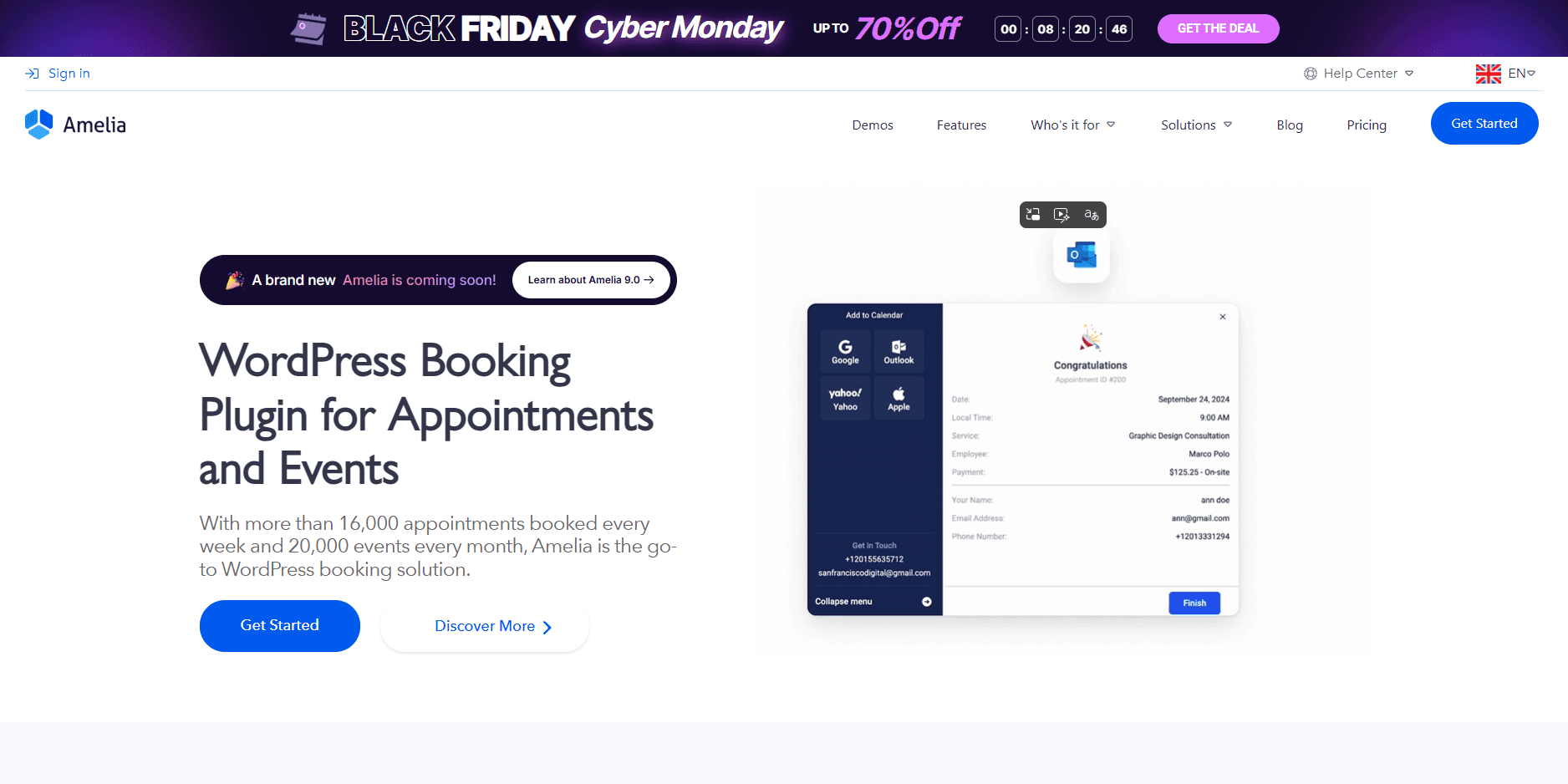
Amelia is a cognitive conversational AI platform designed for service desks and customer engagement. It focuses on empathetic, context-aware virtual agents that adapt to user behavior and improve through interaction.
Core Capabilities
Contextual understanding and emotional intelligence
Integration with ITSM and CX platforms
Adaptive learning and conversation design
Support for voice and chat automation
Best For: Enterprises seeking human-like automation for support and engagement.
Pros and Cons
Pros: Advanced emotional intelligence, proven enterprise use
Cons: Longer implementation cycles, premium pricing
5. Cognigy.AI

Cognigy.AI is a low-code platform that automates customer and contact center interactions across voice and chat. It allows developers to design, deploy, and manage large-scale conversational workflows quickly.
Core Capabilities
Low-code builder for rapid workflow setup
Voice gateway for contact center automation
CRM and ERP integration
Multilingual and omnichannel orchestration
Best For: Enterprises needing customizable automation integrated with backend systems.
Pros and Cons
Pros: Developer flexibility, robust integrations, scalable voice support
Cons: Technical resources required, advanced analytics in higher tiers
6. Avaamo
Avaamo offers domain-specific conversational AI for regulated industries like BFSI, healthcare, and insurance. It uses pretrained models to automate secure, compliant workflows through voice and chat.
Core Capabilities
Domain-trained models for BFSI, healthcare, and insurance
Voice and chat automation with contextual understanding
Compliance with HIPAA, GDPR, and SOC 2
Integration with EMR, CRM, and claims systems
Best For: Enterprises needing compliant, industry-focused AI solutions.
Pros and Cons
Pros: Domain expertise, reduced setup time, strong compliance focus
Cons: Limited adaptability outside key sectors, enterprise-level pricing
7. Google Cloud Dialogflow
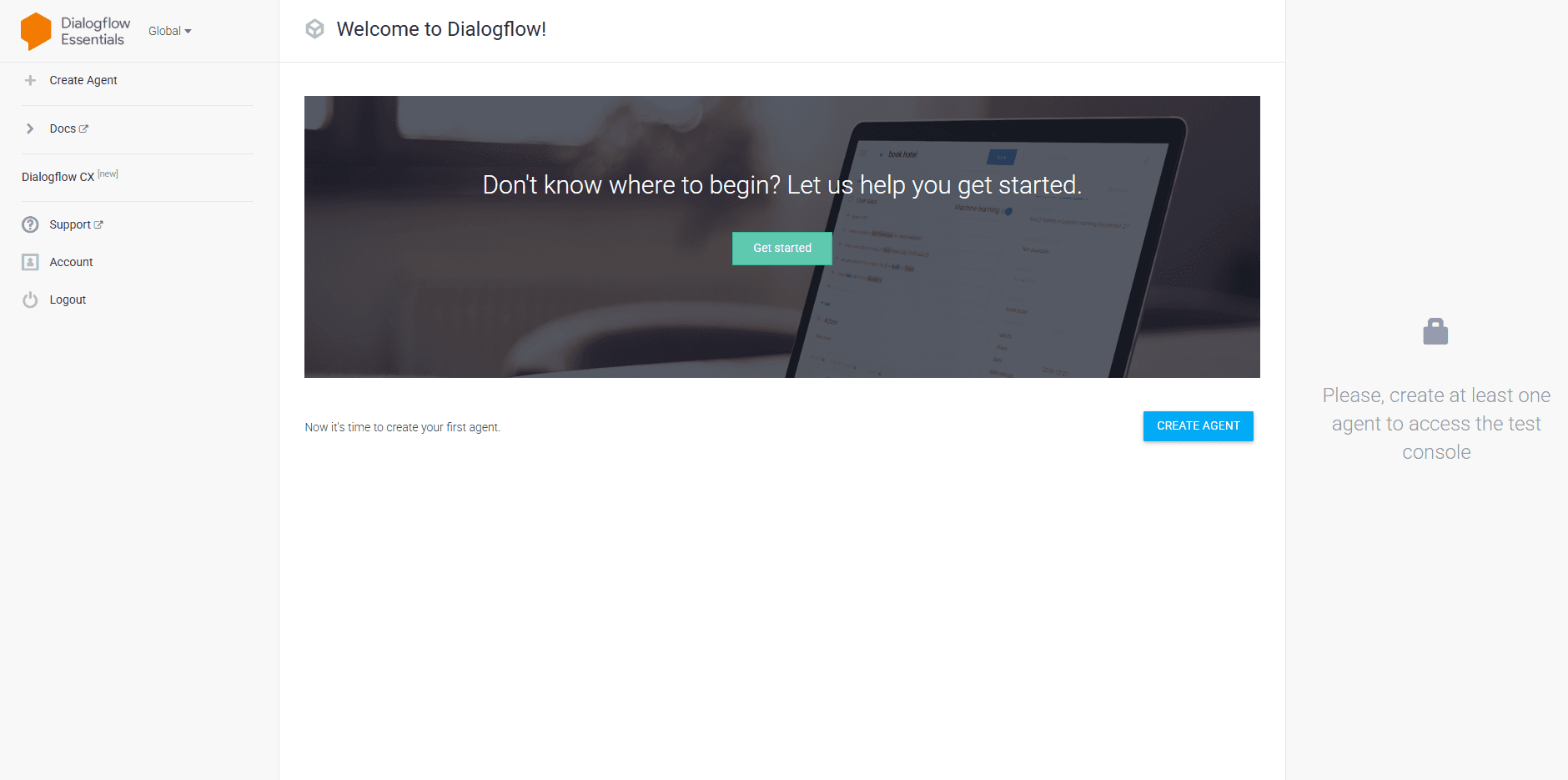
Google Cloud Dialogflow is a popular conversational AI development platform powered by Google NLP. It enables scalable, multilingual chat and voice automation for support, commerce, and internal systems.
Core Capabilities
Google NLP-based intent recognition
Deployment across web, mobile, IVR, and messaging
Integration with Contact Center AI and Google Cloud
Visual flow builder with API customization
Best For: Enterprises building AI assistants within Google’s ecosystem.
Pros and Cons
Pros: High NLP accuracy, deep Google integration, global coverage
Cons: Requires developer expertise, cost increases with heavy use
8. Yellow.ai
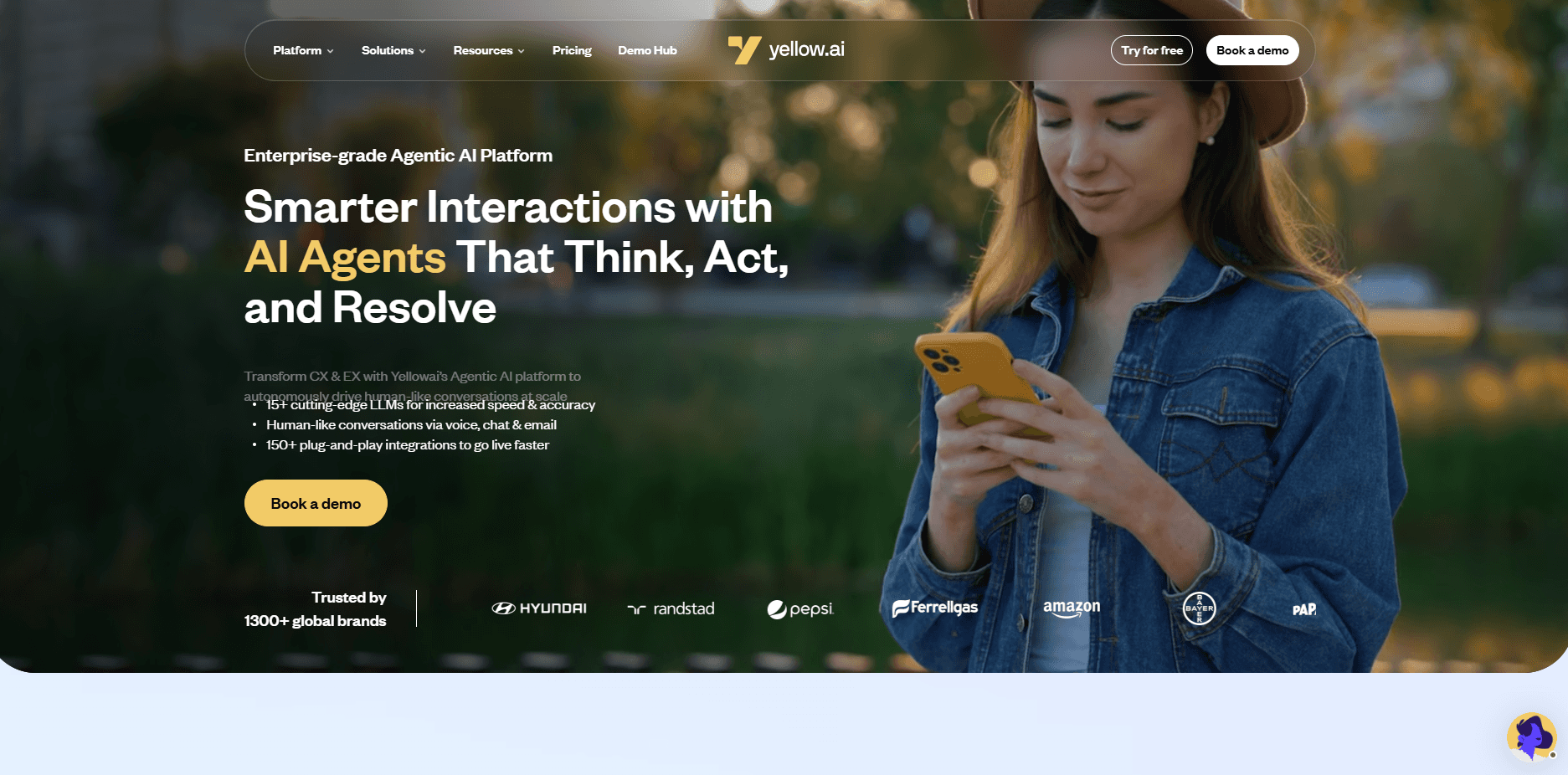
Yellow.ai combines generative and predictive AI to automate interactions across customer and employee channels. It offers multilingual, voice, and chat automation in one unified system.
Core Capabilities
Unified automation for CX and EX
Generative AI-driven voice and chat agents
Multilingual coverage for 135+ languages
Integration with CRM, HRMS, and ERP systems
Best For: Enterprises needing a single platform for customer and workforce automation.
Pros and Cons
Pros: Strong language support, hybrid automation, flexible deployment
Cons: Complex pricing, advanced setup may need technical input
9. Amazon Lex
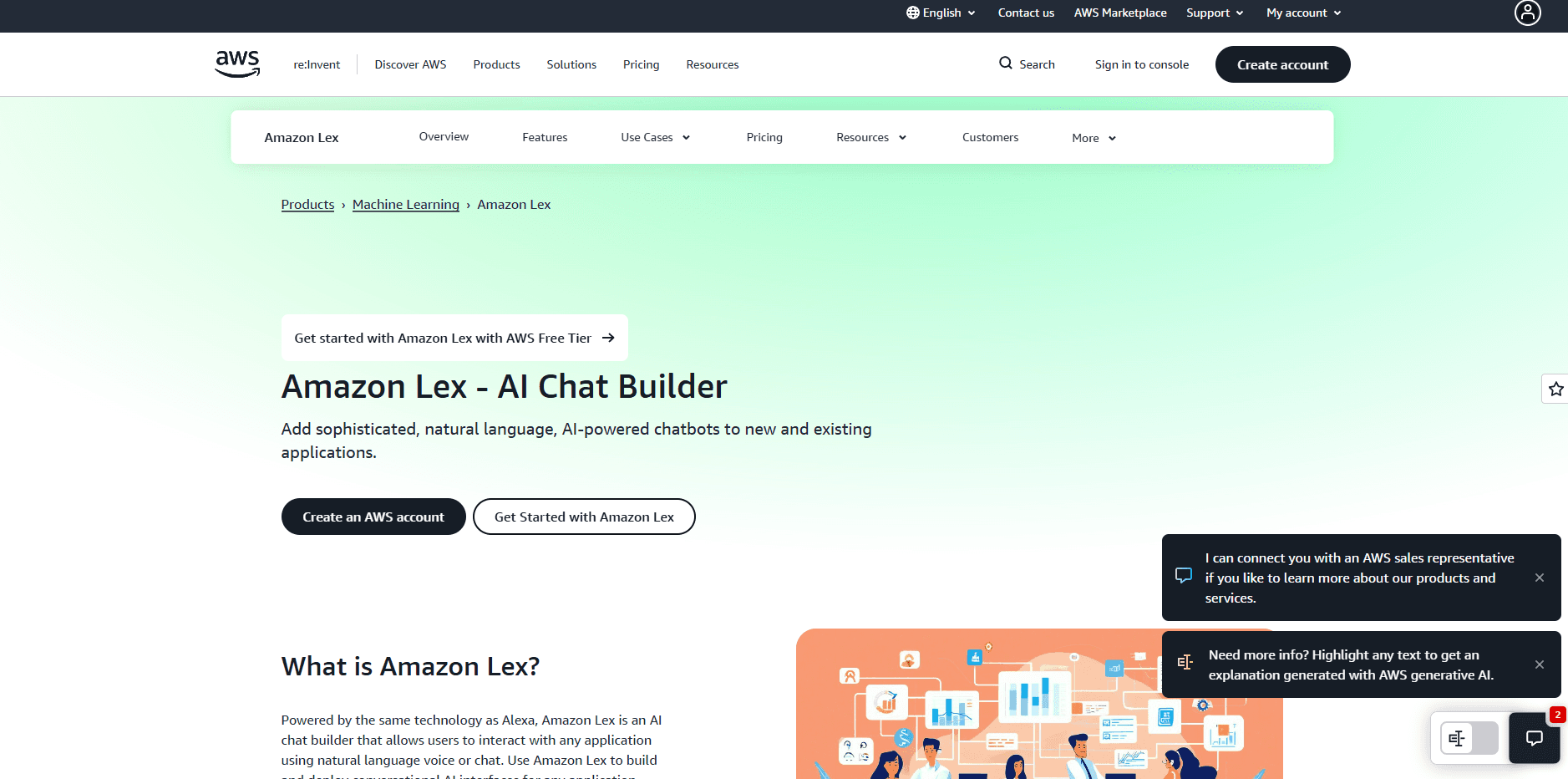
Amazon Lex brings AWS’s NLP and speech technologies to enterprise automation. It powers voice and chat interfaces integrated with AWS cloud infrastructure.
Core Capabilities
Speech recognition and natural language understanding
Integration with AWS Lambda and Amazon Connect
Cross-platform support for chat and voice
Built-in versioning and analytics
Best For: Organizations already using AWS for automation or customer engagement.
Pros and Cons
Pros: Deep AWS integration, scalability, secure cloud framework
Cons: Requires developer expertise, complex pricing at scale
10. OneReach.ai
OneReach.ai is a design-centric platform for creating custom, omnichannel conversational experiences. It blends no-code design tools with advanced orchestration to unify AI and human workflows.
Core Capabilities
No-code and low-code workflow builder
Omnichannel orchestration for chat and voice
Integration with CRM, ERP, and APIs
Real-time analytics and reporting
Best For: Enterprises designing customized automation journeys that mix AI and human collaboration.
Pros and Cons
Pros: Fast prototyping, strong orchestration, hybrid workflow support
Cons: Learning curve for deep customization, premium pricing
These platforms show how conversational AI is evolving across intelligence, compliance, and scale. The right choice depends on your enterprise priorities and how automation fits into your broader CX strategy.
Also read: Conversational AI Examples and Use Cases in Various Industries
How to Choose the Right Conversational AI Platform
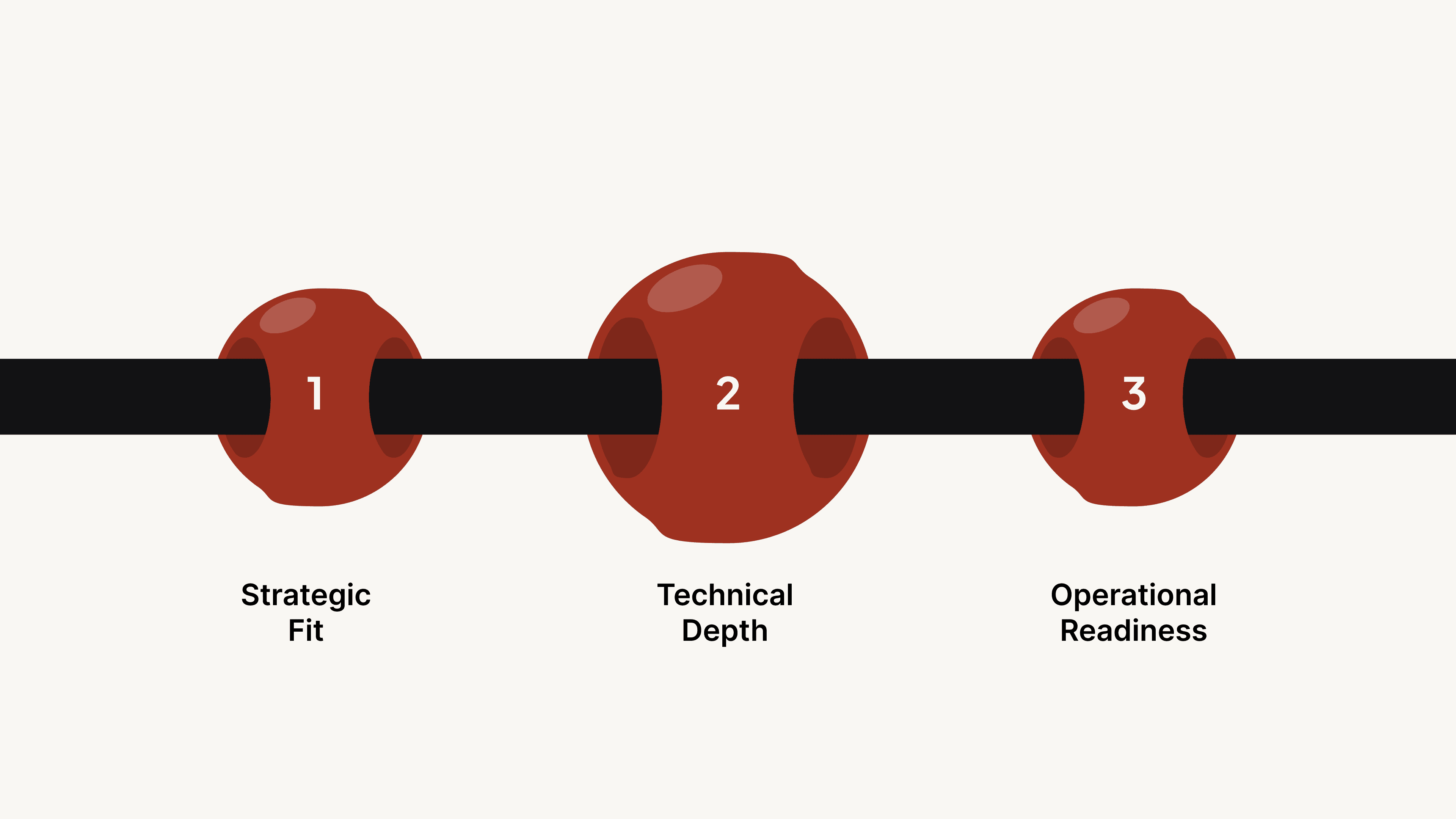
Enterprises evaluating conversational AI face an overwhelming number of choices. Instead of comparing features, it’s more effective to assess platforms across three core dimensions: Strategic Fit, Technical Depth, and Operational Readiness.
1. Strategic Fit
This determines how well a platform aligns with business goals and customer needs.
Use-Case Relevance: Confirm that it supports your main automation needs, such as onboarding, collections, or customer service.
Industry Adaptability: Look for domain models or templates built for your sector’s workflows and compliance needs.
Language and Localization: Verify that it supports regional languages, dialects, and mixed speech patterns.
2. Technical Depth
This measures the platform’s intelligence and ability to integrate into your systems.
Architecture: Cloud-native, API-first platforms scale faster and integrate easily.
Accuracy: Evaluate how well it understands multi-intent and emotional context.
Integration Ecosystem: Check compatibility with CRMs, ERPs, and contact centers for end-to-end automation.
3. Operational Readiness
This focuses on reliability, compliance, and long-term scalability.
Governance: Ensure compliance with ISO 27001, SOC 2, and local data privacy regulations.
Analytics: Look for built-in reporting and continuous improvement tools.
Support: Confirm multilingual support, SLAs, and flexible scaling for peak periods.
Choosing the right conversational AI platform means finding a balance between intelligence, integration depth, and long-term sustainability.
With the evaluation model in place, let’s look ahead to the innovations shaping the next generation of conversational AI platforms and how they’ll redefine enterprise automation.
Future Trends in Conversational AI Platforms
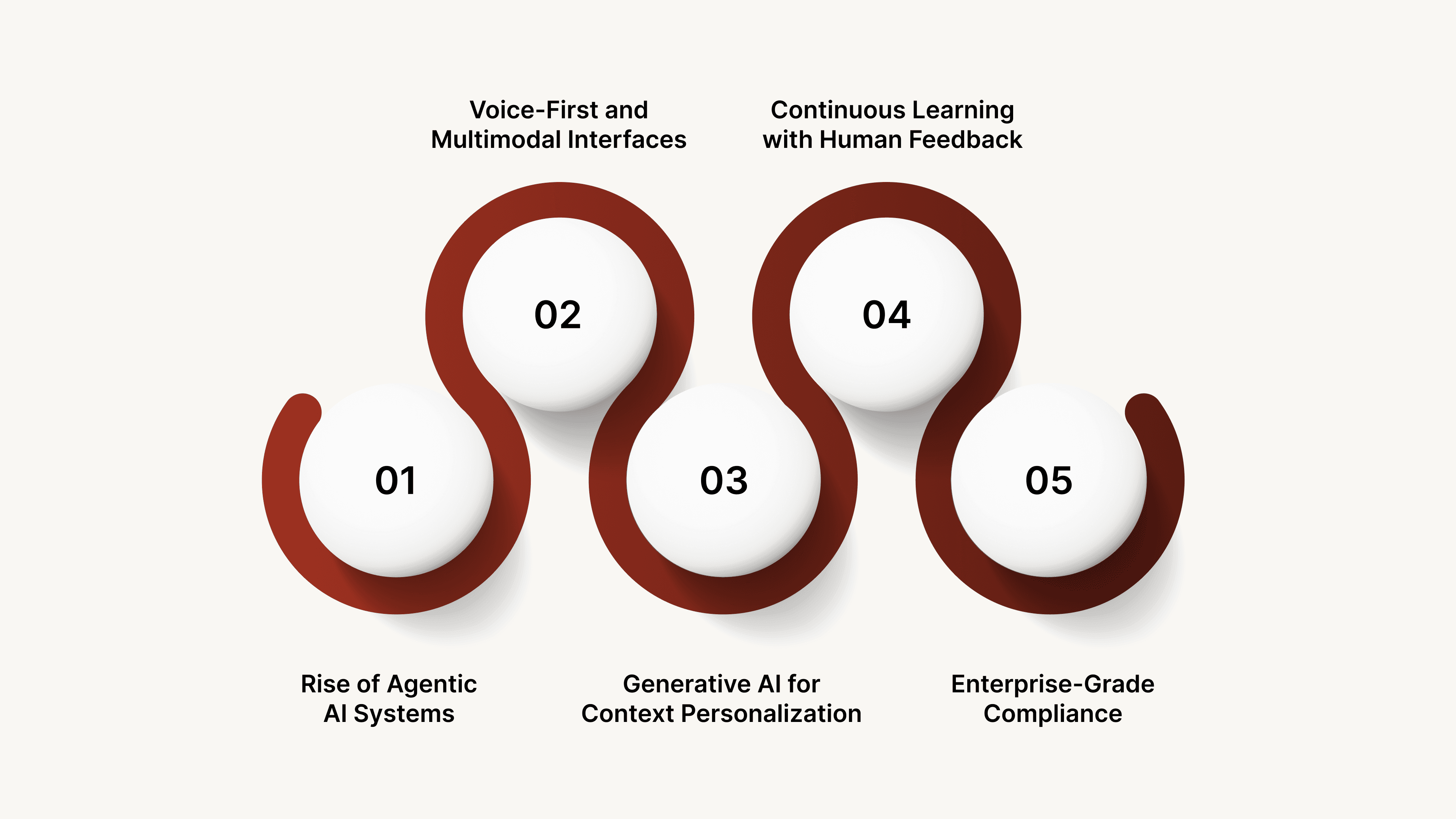
Conversational AI is evolving from simple automation to intelligent decision-making systems that learn, adapt, and act autonomously. The next wave of innovation will reshape how enterprises manage conversations, workflows, and customer engagement.
1. Rise of Agentic AI Systems
AI is moving beyond reactive dialogue to proactive task execution. Agentic AI agents can plan, reason, and act on goals independently, transforming conversational platforms into autonomous service engines.
Impact: Enterprises will automate complex workflows such as loan processing, claims follow-ups, or lead qualification without human intervention.
2. Voice-First and Multimodal Interfaces
Voice will dominate customer engagement, especially in mobile-first and multilingual markets. Platforms are combining speech, visual prompts, and text for richer, accessible experiences.
Impact: Voice AI adoption in India and emerging markets will accelerate, making natural conversation the default interface for customer service.
3. Generative AI for Context Personalization
Large language models now enable more fluid, context-aware dialogues. They can generate dynamic scripts, summaries, or responses that reflect each customer’s tone and history.
Impact: Businesses gain hyper-personalized interactions while reducing manual script creation and training time.
4. Continuous Learning with Human Feedback
Reinforcement learning from human feedback (RLHF) and AI feedback loops (RLAIF) are driving real-time improvement.
Impact: Voice and chat agents will continually refine accuracy, tone, and compliance, improving performance without retraining cycles.
5. Enterprise-Grade Compliance and Data Localization
As data privacy regulations expand, platforms are adapting to stricter governance models with localized hosting and transparent audit trails.
Impact: Enterprises can deploy AI at scale while meeting country-specific compliance and security requirements.
These trends signal that conversational AI is moving toward full autonomy and real-time intelligence. The next step is understanding how CubeRoot aligns with this evolution and helps enterprises stay ahead of the curve.
How CubeRoot Aligns With the Future of Conversational AI
CubeRoot reflects the evolution of conversational AI toward intelligent, voice-first automation designed for real-world enterprise use. Its platform combines contextual understanding, multilingual reach, and integration flexibility to help businesses scale customer engagement securely and efficiently.
Voice-First by Design: Built for enterprise-grade voice automation across BFSI, retail, healthcare, and D2C, enabling natural, human-like conversations in multiple Indian languages and English.
Workflow-Driven Automation: Automates key processes such as collections, lead qualification, and post-sale interactions through prebuilt, domain-trained templates.
Industry-Specific Focus: Offers verticalized workflows aligned with compliance and customer experience needs across high-volume sectors.
Human Escalation Support: Allows seamless transition from AI to live agents when necessary, maintaining conversational context and service continuity.
Enterprise Security: Uses secure infrastructure with encryption, audit-friendly voice logging, and data privacy controls designed for enterprise compliance.
Ready to see how enterprise-grade Voice AI can simplify customer engagement and reduce service costs? Schedule a demo to experience how CubeRoot helps leading organizations automate at scale with accuracy, context, and compliance.
FAQs
1. What is a conversational AI platform?
A conversational AI platform is a system that enables automated, natural language communication through voice or chat. It uses NLP, speech recognition, and machine learning to interpret queries, generate context-aware responses, and integrate with enterprise systems for task automation.
2. How is conversational AI different from traditional chatbots?
Traditional chatbots follow pre-set rules, while conversational AI platforms use advanced NLP to understand intent and context. They can hold human-like conversations, automate workflows, and adapt to changing inputs over time.
3. Which industries benefit the most from conversational AI?
Conversational AI drives measurable value in BFSI, retail, healthcare, SaaS, D2C, and education. It automates high-volume workflows like collections, order tracking, appointment scheduling, and post-sale engagement.
4. What features should enterprises look for when choosing a conversational AI platform?
Key features include multilingual support, omnichannel deployment, API-based integration, analytics, compliance readiness, and human-in-the-loop escalation. These ensure scalability and consistency in real-world environments.
5. How do voice AI platforms fit into the conversational AI ecosystem?
Voice AI platforms extend conversational automation to speech-based interactions. They are especially effective for multilingual markets and industries where customer engagement depends heavily on phone-based support.
6. What are the main challenges in implementing conversational AI?
Common challenges include data inconsistencies, poor integration with legacy systems, limited language coverage, and maintaining accuracy during scale. Choosing a platform with continuous learning and audit-ready design mitigates these risks.