Dec 5, 2025

How AI Voicebots Reduce Wait Times in Customer Service
How many times have you abandoned a call or online chat because you were put on hold for too long? Long wait times are no longer just an inconvenience; they are a dealbreaker. Customers expect quick, efficient responses, and delays can have lasting consequences for your business.
The longer customers wait, the less likely they are to engage, make a purchase, or return for future business. Addressing this issue isn’t just about improving customer satisfaction; it's about improving your bottom line and staying competitive in a fast-paced market.
This blog will dive into the causes of long wait times, their impact on businesses, and how modern solutions like AI and automation can help reduce delays, leading to better customer experiences and operational efficiency.
Key Takeaways
Customer Frustration and Abandonment: Long wait times are a major source of frustration, leading to customers abandoning interactions, whether it’s a purchase, an inquiry, or an appointment.
Lost Sales and Revenue: Delays can lead to missed sales opportunities as customers may decide to go elsewhere if they feel their time isn’t valued.
Increased Operational Costs: Waiting lines, extra staffing, and manual processes to manage wait times all add up, raising operational costs for businesses.
Brand Reputation Damage: Consistently long wait times contribute to a negative perception of your brand, driving customers to competitors who can offer faster service.
Opportunity for Automation: AI-powered tools, like voicebots and chatbots, offer businesses the chance to automate customer interactions, significantly reducing wait times and improving the overall customer experience.
What Causes Long Wait Times?
Long wait times don’t happen by accident. Several factors contribute to delays in customer service, and understanding these causes is key to addressing them effectively. Here are the main reasons why customers experience long wait times:
High Call/Chat Volume: Increased customer interactions, especially during peak hours, product launches, or seasonal spikes, can overwhelm your team, causing long wait times.
Limited Staff Capacity: If businesses don’t scale their support staff according to demand, even the most efficient teams can struggle to keep up, leading to delays.
Inefficient Workflows: Manual processes, outdated systems, and a lack of streamlined workflows can slow response times, causing unnecessary delays in service.
Lack of Automation: Without automation tools like voicebots or chatbots, routine inquiries take longer to address, as customers must wait for human agents to become available.
Now that we’ve identified the causes of long wait times, let’s look at the impact they can have on your business.
How Long Wait Times Impact Businesses?
Long wait times directly affect key aspects of your business, from revenue and operational efficiency to brand reputation. Let’s explore how delays in customer service can damage your business:
Customer Experience Degradation: The longer a customer waits, the more likely they are to feel undervalued. This leads to a poor overall customer experience, which can affect their perception of your brand.
Reduced Loyalty and Retention: A single bad experience with long wait times can cause customers to lose trust in your business. If they feel they’re not getting timely attention, they may choose a competitor next time.
Lost Revenue Opportunities: Delays can cause customers to abandon their inquiries or purchases. Missed sales opportunities are a direct result of customers getting frustrated with wait times and deciding to take their business elsewhere.
Operational Inefficiencies: Long wait times often point to inefficiencies in your processes. They can expose gaps in staffing, technology, or workflows that not only hurt the customer experience but also slow down internal operations.
Having seen the impact of long wait times, let’s explore ways businesses can address this challenge and improve both customer experience and operational efficiency.
Also Read: Multilingual Voice Bots For Enhanced Customer Interaction
How Businesses Can Address Long Wait Times?
Reducing long wait times requires combining technology, optimized processes, and resource management. Here are the most effective ways to address this challenge:
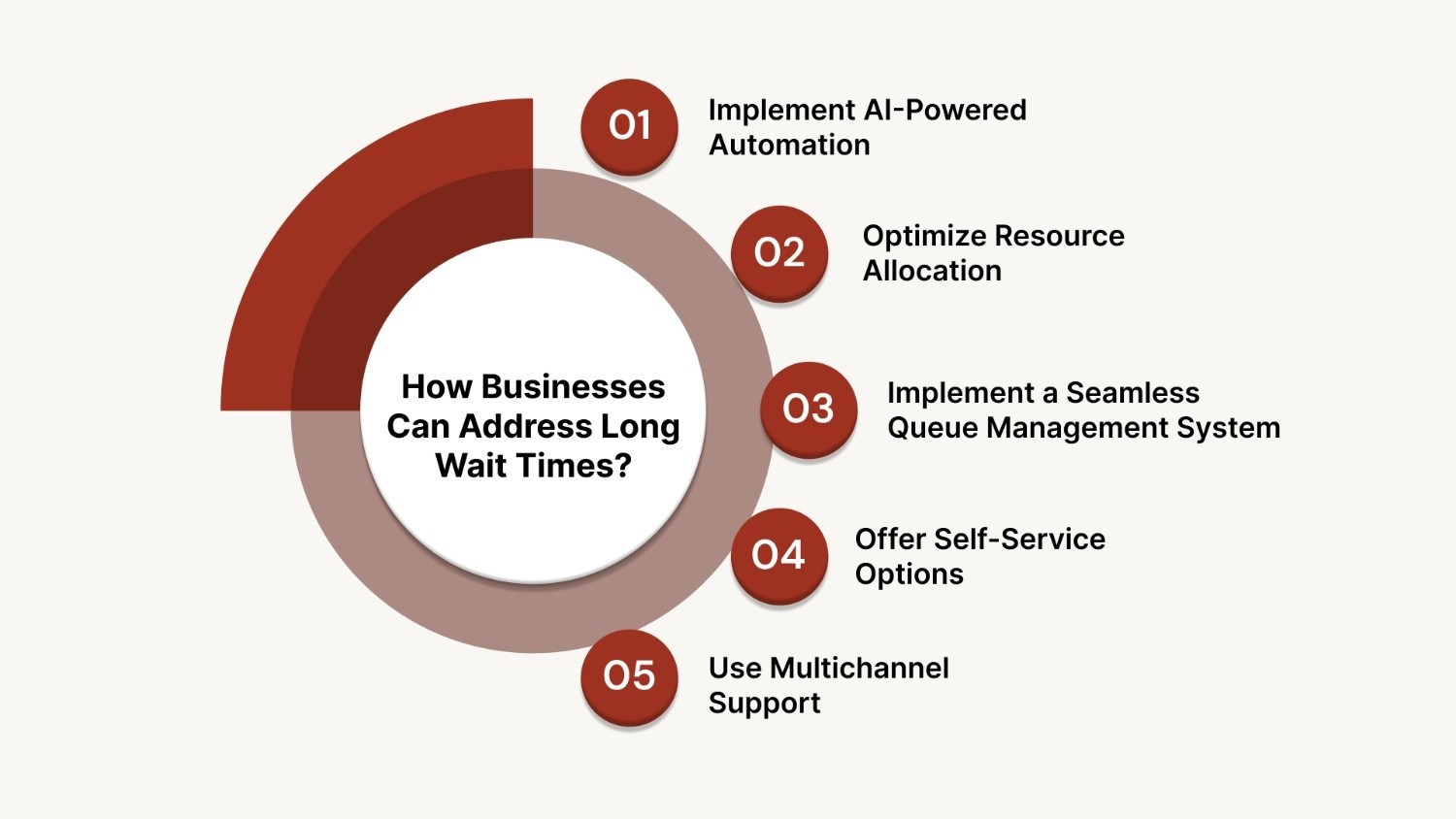
1. Implement AI-Powered Automation
AI-powered voicebots and chatbots can handle routine tasks like inquiries and lead qualification. Automating these tasks reduces wait times and allows human agents to focus on complex issues.
Why it matters:
Instant Responses: AI bots handle simple inquiries immediately.
24/7 Availability: Support is open around the clock.
Efficiency Boost: Human agents are freed up to focus on more complex tasks.
2. Optimize Resource Allocation and Staffing
Proper staffing ensures that customer demands are met without overwhelming your team. Forecasting demand and adjusting staffing levels accordingly helps manage peak times and reduce wait times.
Why it matters:
Avoid Overwhelmed Teams: Proper staffing ensures timely responses.
Cost-Effective: Adjusting staffing levels helps balance efficiency and cost.
3. Implement a Seamless Queue Management System
A queue management system helps prioritize and categorize customer requests. This ensures urgent inquiries are handled first, and customers are kept informed about wait times.
Why it matters:
Prioritize Critical Inquiries: High-priority issues are addressed quickly.
Transparency: Real-time updates on wait times help manage expectations.
4. Offer Self-Service Options
Self-service tools like FAQs, knowledge bases, and IVR systems let customers resolve issues without waiting for an agent. This reduces wait times and empowers customers to find answers on their own.
Why it matters:
Empower Customers: Customers can get answers instantly.
Relieve Agent Workload: Agents focus on complex issues while self-service handles routine tasks.
5. Use Multichannel Support
Supporting multiple communication channels, phone, chat, email, and social media, helps distribute the customer load and reduces wait times by offering more ways for customers to reach support.
Why it matters:
Faster Response: Customers use the channel that works best for them.
Improved Coverage: No bottleneck occurs in a single support channel.
Next, let’s explore how AI voicebots specifically help reduce wait times.
Role of AI Voicebots in Reducing Wait Times
AI voicebots play a critical role in reducing long wait times by automating tasks, providing instant responses, and streamlining customer interactions. Here’s how they help:
Instant 24/7 Response: AI voicebots can provide immediate responses at any time of day, ensuring customers don’t have to wait for agents to be available. This eliminates wait times, especially outside business hours or during peak periods.
Efficient Handling of Routine Inquiries: Voicebots can handle frequently asked questions about product availability, pricing, and basic account inquiries, reducing the need for human agents to address these simple tasks and cutting down on wait times.
Seamless Integration with Existing Systems: AI voicebots integrate with CRM and property management systems to access real-time data, ensuring accurate and fast responses to customer queries about products, services, or account details.
Intelligent Call Routing: Voicebots can intelligently route customer inquiries to the appropriate department or agent based on the nature of the request, reducing the time customers spend waiting to speak with the right person.
Personalized Customer Interaction: By remembering past interactions and tailoring responses, voicebots create a more personalized experience that not only speeds up responses but also enhances customer satisfaction.
How Can CubeRoot Help Optimize Wait Times?
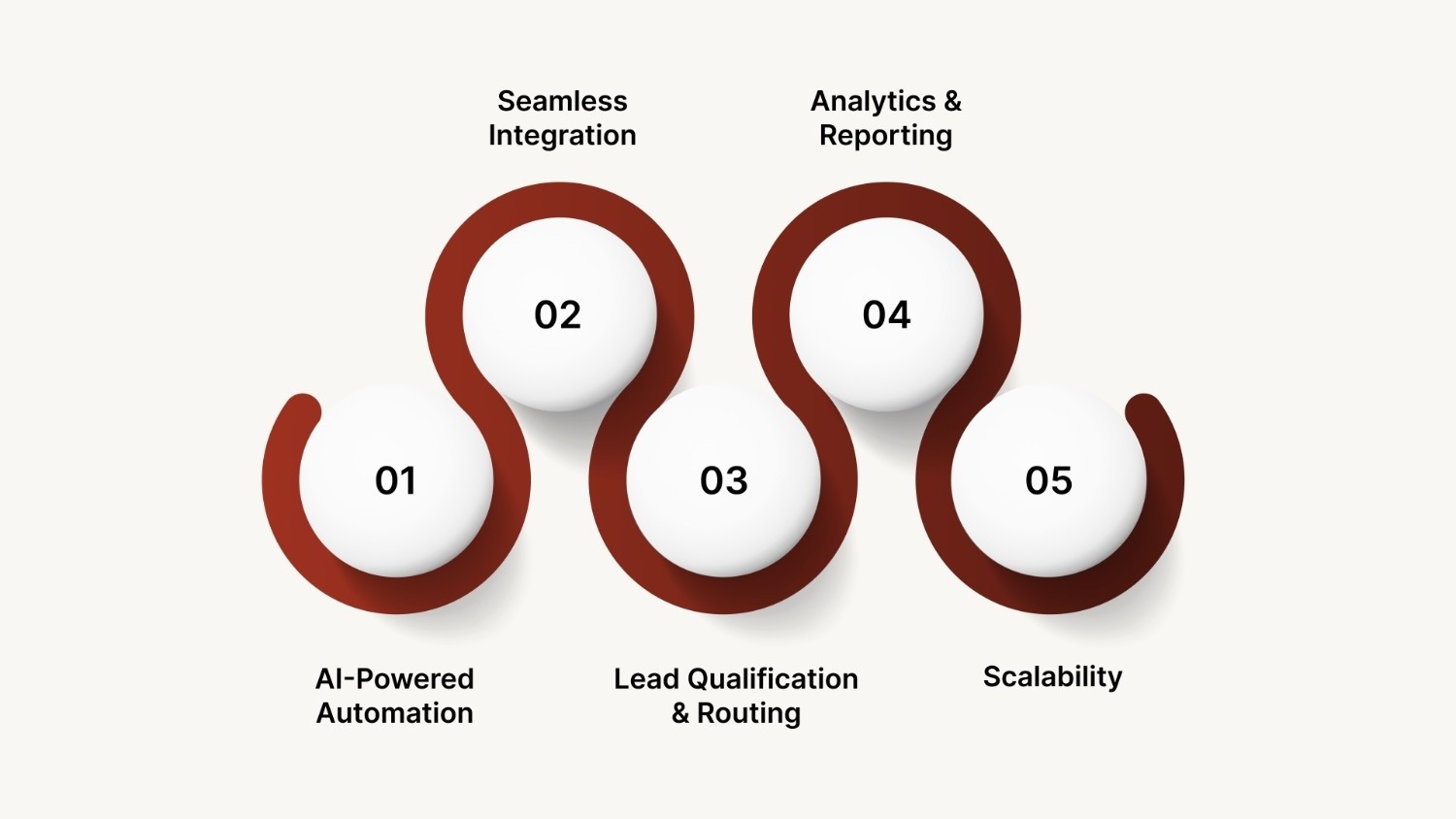
CubeRoot offers a powerful solution for businesses looking to reduce long wait times and improve customer experience. By integrating AI-powered voicebots with your existing systems, CubeRoot helps streamline customer interactions and make your support process more efficient. Here’s how CubeRoot can optimize your business:
AI-Powered Automation: CubeRoot’s voicebots can handle a wide range of customer inquiries instantly, from basic information requests to complex queries. Automating routine tasks ensures customers receive immediate responses, reducing wait times significantly.
Seamless Integration: CubeRoot’s platform integrates easily with your CRM, property management systems, and other tools, providing real-time data access to the voicebots. This ensures that customer interactions are accurate, timely, and personalized.
Lead Qualification & Routing: CubeRoot’s voicebots are equipped with intelligent lead qualification and routing features, ensuring that customers are directed to the right department or agent quickly, without unnecessary delays.
Analytics & Reporting: CubeRoot provides in-depth analytics that help you monitor the performance of your voicebots, track customer satisfaction, and spot areas for further improvement. This data helps you continuously optimize your customer support strategy.
Scalability: Whether you’re handling a handful of inquiries or thousands of customer interactions, CubeRoot’s solutions scale with your business, ensuring you can handle increased demand without compromising service quality.
Also Read: Understanding Customer Value: Definition, Impact, Trends & Strategies
What Does the Future Hold for Reducing Wait Times in Customer Service?
As technology grows, businesses will have even more efficient ways to reduce wait times and improve customer service. Here’s what to expect in the future:
AI Advancements: As AI technology improves, voicebots will become even more efficient at handling complex queries, reducing the need for human intervention. With better natural language processing (NLP) capabilities, these bots will understand and respond more accurately to customer requests.
Predictive Customer Support: Future systems will use predictive analytics to anticipate customer needs before they even reach out. By analyzing past interactions and customer behavior, businesses can proactively address issues, minimizing wait times and enhancing the customer experience.
Omnichannel Integration: As businesses expand their communication channels (e.g., voice, chat, social media), AI will integrate them seamlessly, providing a unified experience. Customers will be allowed to interact with brands on their preferred channel, with wait times significantly reduced across all touchpoints.
Self-Learning Systems: AI voicebots will be able to learn from each interaction, improving over time. By processing feedback, adapting responses, and predicting future issues, these systems will provide faster and more accurate solutions, further cutting down wait times.
Hyper-Personalization: With advancements in data analytics and machine learning, AI systems will offer hyper-personalized customer interactions. Voicebots will be able to tailor conversations based on individual preferences, needs, and histories, reducing the time spent resolving issues and increasing customer satisfaction.
Conclusion
Long wait times are a significant challenge for businesses, but they’re not insurmountable. By implementing AI voicebots, optimizing resource allocation, and embracing automation, businesses can dramatically reduce delays, improve customer satisfaction, and streamline operations.
AI-powered solutions like CubeRoot make it possible to automate routine tasks, provide instant responses, and scale customer service without compromising quality. As technology evolves, the future of customer service will focus on even more personalized, efficient, and fast experiences.
For businesses keen to lower wait times and improve customer engagement, investing in AI-powered solutions is no longer optional; it’s essential.
Book a demo with CubeRoot today to reduce wait times, enhance customer satisfaction, and streamline your customer support process. |
FAQs
Q: How can AI voicebots help reduce wait times?
A: AI voicebots automate routine tasks like answering inquiries, providing information, and qualifying leads, allowing businesses to provide instant responses and reduce the need for human agents, cutting down wait times significantly.
Q: Can AI voicebots handle complex customer issues?
A: While AI voicebots are effective at handling simple and routine inquiries, they can be designed to escalate complex issues to human agents. As AI technology advances, voicebots will be able to handle more sophisticated tasks, further reducing the need for human intervention.
Q: Are AI voicebots available 24/7?
A: Yes, AI voicebots are available around the clock, ensuring customers can get support anytime, reducing wait times outside of business hours and during peak demand periods.
Q: How do AI voicebots improve customer satisfaction?
A: By providing instant responses, personalized interactions, and quick resolutions to common issues, AI voicebots improve the overall customer experience and reduce frustration caused by long wait times.
Q: How can firms measure the effectiveness of AI voicebots in reducing wait times?
A: Businesses can track key performance indicators (KPIs) such as response time, customer satisfaction scores, and issue resolution rates. Analytics tools provided by platforms like CubeRoot help monitor bot performance and identify areas for improvement.
Q: How do AI voicebots integrate with existing business systems?
A: AI voicebots like CubeRoot seamlessly integrate with your CRM, property management systems, and communication channels, allowing them to access real-time data for accurate, up-to-date responses during customer interactions.