Dec 29, 2025
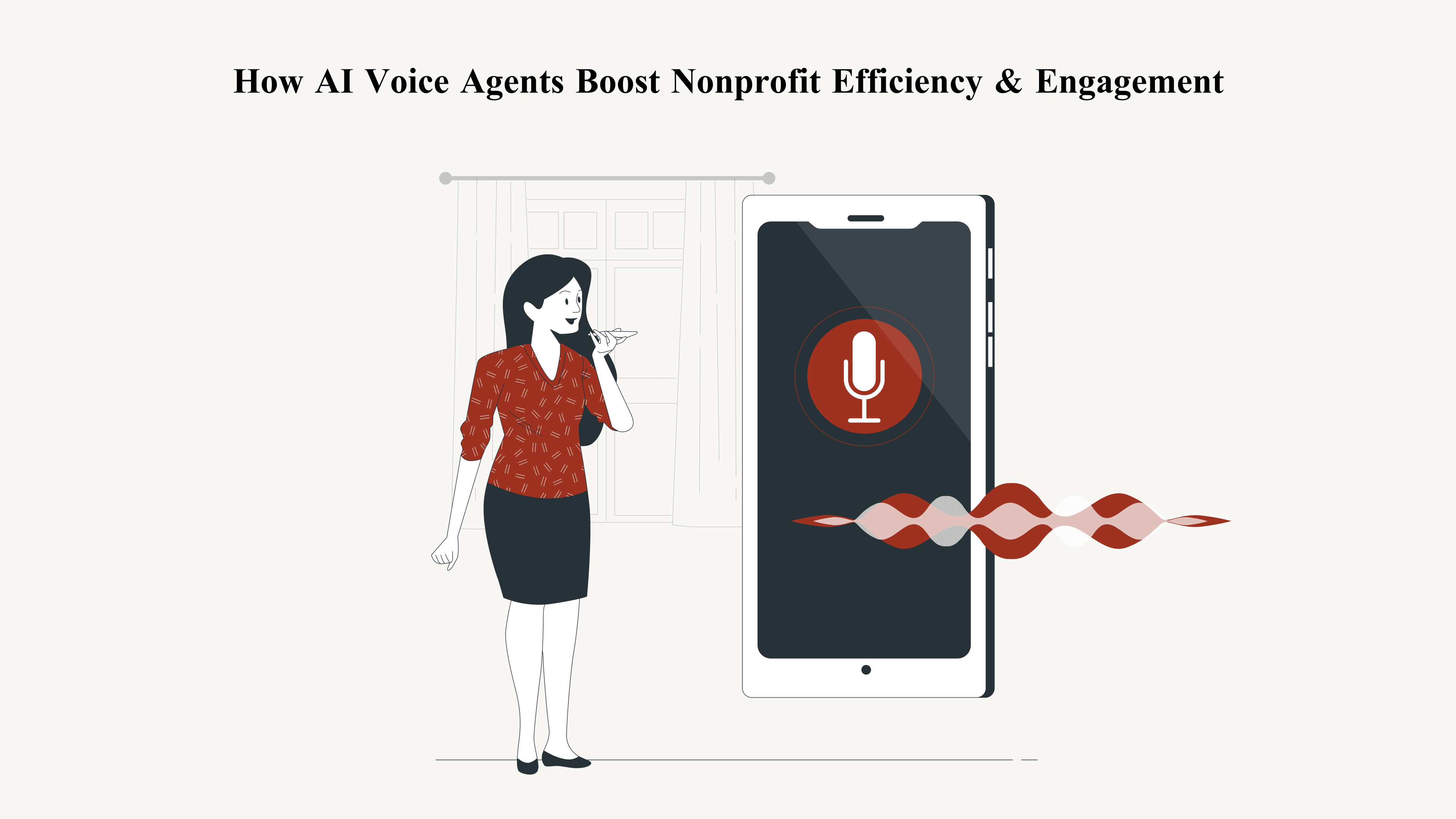
How AI Voice Agents Boost Nonprofit Efficiency and Engagement in 2026
Nonprofits often face the challenge of managing high demand with limited resources. From donor engagement to volunteer coordination, organizations need to maximize their impact while keeping operations efficient. However, manual processes can lead to inefficiencies, missed opportunities, and burnout.
AI voice agents are changing the way nonprofits manage interactions and operations. These systems automate routine tasks like donor follow-ups, volunteer coordination, and event reminders, helping nonprofits scale without increasing costs. With AI voice agents, nonprofits can provide 24/7 availability, personalized communication, and consistent engagement.
In this blog, we’ll explore how AI voice agents are transforming nonprofit operations, offering greater efficiency and impact while staying aligned with their mission.
Key Takeaways
AI voice agents automate tasks like donor engagement, volunteer coordination, and event management for nonprofits.
They reduce operational costs by streamlining routine processes, allowing nonprofits to allocate resources more effectively.
24/7 availability ensures continuous engagement with donors, volunteers, and beneficiaries, enhancing the overall experience.
AI voice agents provide personalized communication based on past interactions, improving engagement and retention.
In 2026, these AI tools are transforming nonprofit operations, driving efficiency and better outcomes at scale.
What Are AI Voice Agents?
AI voice agents use natural language processing (NLP) and speech recognition to interact with users via voice. Unlike traditional chatbots, these agents handle voice-based interactions across phone calls, apps, and voice assistants. They can understand, interpret, and conversationally respond to spoken language.
Key features include:
Natural Language Processing (NLP): Enables the understanding and processing of human language.
Speech Recognition: Converts spoken words into text and vice versa.
Contextual Understanding: Learns from previous interactions to improve responses.
Sentiment Analysis: Detects tone and emotion to adapt replies.
For nonprofits, AI voice agents automate tasks like answering questions, scheduling, and processing donations, freeing up resources for more impactful activities.
Now that we understand what AI voice agents are, let’s explore the key benefits they offer to nonprofit organizations.
Benefits of AI Voice Agents for Nonprofits
AI voice agents can significantly transform how nonprofit organizations operate, driving efficiency, engagement, and cost savings. Here’s how:
Cost Savings: AI voice agents automate routine tasks, like donor follow-ups and volunteer coordination, reducing the need for large staff teams. This saves valuable time and resources, allowing nonprofits to focus on their mission.
24/7 Availability: With AI voice agents, nonprofits can offer round-the-clock support, ensuring that donors, volunteers, and beneficiaries can get help whenever they need it, enhancing satisfaction and engagement.
Scalability for Growth: AI voice agents can handle large volumes of interactions during peak periods, such as during fundraising drives or events, without requiring extra staff. This helps nonprofits manage seasonal surges efficiently.
Personalized Donor and Volunteer Engagement: AI voice agents can tailor interactions based on individual preferences, past donations, or volunteer activities, fostering stronger relationships and increased participation.
Data-Driven Insights: Every interaction provides valuable data, helping nonprofits track donor behaviors, volunteer activities, and program participation. This data can be analyzed to improve future strategies and decision-making.
With these benefits in mind, let's explore how AI voice agents can be applied to specific tasks within nonprofit organizations.
Also read: Conversational AI for Finance: Transforming Financial Services
Use Cases for Nonprofits
AI voice agents are versatile tools that can automate a wide range of tasks for nonprofits, from donor engagement to volunteer coordination. Here are some practical use cases:
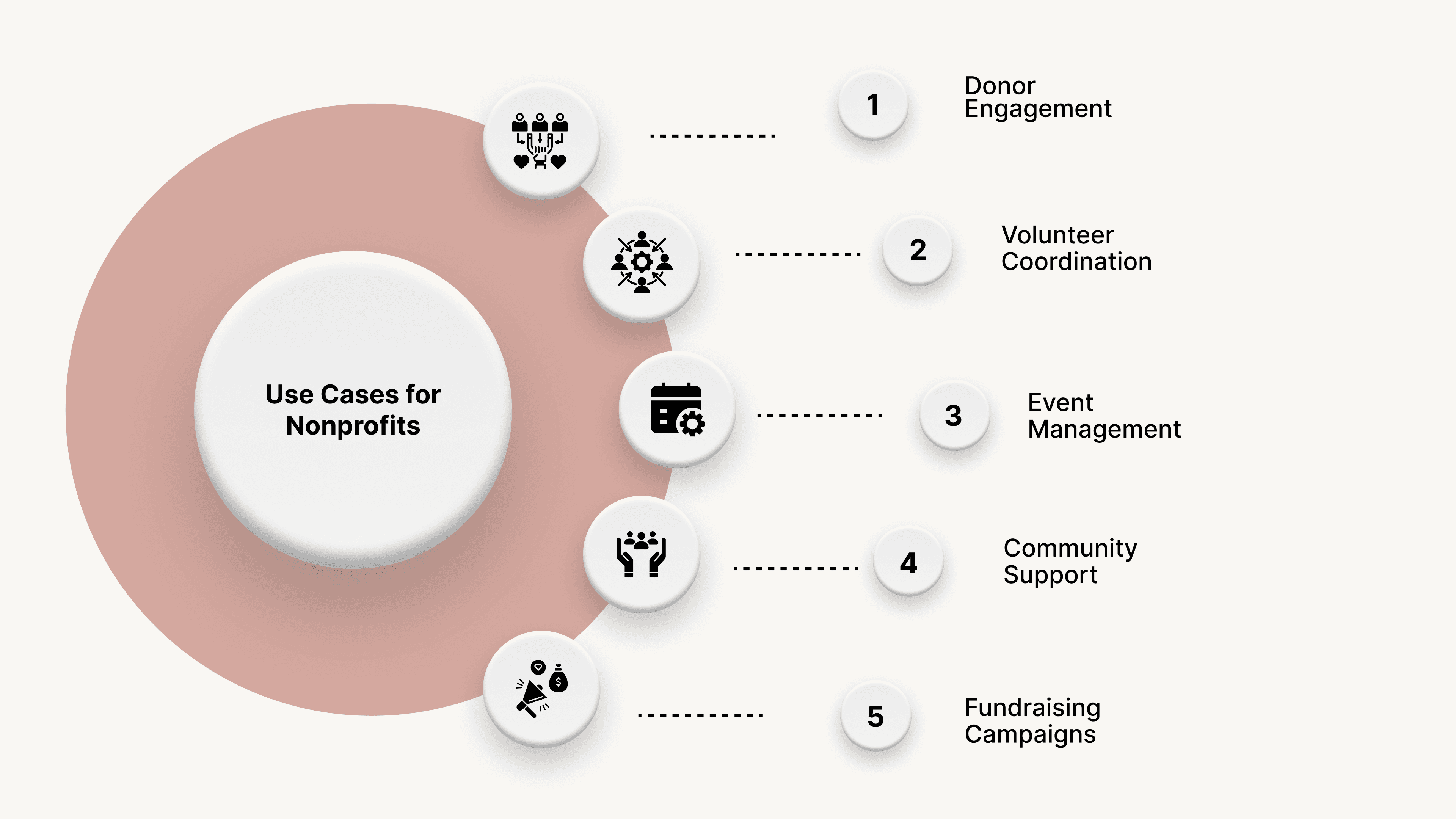
1. Donor Engagement
AI voice agents can handle donation reminders, thank-you calls, and even distribute tax receipts. By automating these processes, nonprofits can ensure timely communication and improve donor retention, all while reducing administrative burden.
2. Volunteer Coordination
AI voice agents can manage volunteer registrations, availability checks, and event reminders. They can also provide updates on volunteer opportunities, ensuring smooth communication and increasing volunteer participation without overwhelming staff.
3. Event Management
From event registration to reminders and post-event feedback, AI voice agents can automate key aspects of event management. They can answer attendee questions, confirm registrations, and send follow-up messages, saving time and improving attendee engagement.
4. Community Support
For nonprofits offering services to the community, AI voice agents can provide information on programs, schedules, and eligibility requirements. This self-service approach reduces call volumes and allows beneficiaries to get the information they need at their convenience.
5. Fundraising Campaigns
During fundraising drives, AI voice agents can reach out to potential donors, answer inquiries, and follow up on previous donations. This helps maintain momentum and increases donor engagement without requiring a large team of staff or volunteers.
Now that we’ve seen how AI voice agents can automate critical nonprofit tasks, let’s compare them to traditional call centers and see which approach is better suited for nonprofits.
AI Voice Agents vs Traditional Call Centers: Which Is Better for Nonprofits?
Nonprofits often rely on call centers to manage interactions, but as operational needs grow, AI voice agents offer compelling advantages. Here’s a direct comparison to help you understand the differences:
Feature | AI Voice Agents | Traditional Call Centers |
Cost Efficiency | Automates routine tasks, reducing labor costs. | High operational costs due to staff salaries. |
Scalability | Can scale instantly to handle increased demand. | Requires hiring extra staff for increased volume. |
Consistency & Accuracy | Delivers consistent, accurate responses. | Responses can vary depending on the agent. |
Availability | 24/7 availability for round-the-clock support. | Limited to business hours. |
Efficiency for Routine Tasks | Automates repetitive tasks like reminders and registrations. | Human agents handle all tasks, reducing efficiency. |
With these key differences in mind, let’s now discuss how to choose the right AI voice agent platform for your nonprofit.
Choosing the Right AI Voice Agent for Nonprofits
When selecting an AI voice agent for your nonprofit, you want a solution that is easy to use, cost-effective, and aligned with your goals. Here’s a breakdown of key factors to consider:
1. Pricing and Affordability
What to look for: Choose a platform that offers flexible pricing to fit your nonprofit budget.
Why it matters: Many nonprofit organizations have limited funds, so it's essential to find a solution that provides value without exceeding your budget.
2. Ease of Integration
What to look for: Ensure the platform integrates smoothly with your existing systems (CRM, donor management tools, etc.).
Why it matters: Seamless integration means faster deployment and fewer technical headaches, allowing your team to get up and running quickly.
3. Language and Localization
What to look for: The platform should support multiple languages, especially if your nonprofit serves a diverse population.
Why it matters: Multilingual support ensures you can effectively engage with a wider audience, breaking down communication barriers.
4. Security and Compliance
What to look for: Ensure the platform follows data security standards and is compliant with regulations like GDPR or HIPAA.
Why it matters: Handling sensitive information, especially regarding donors or beneficiaries, requires a platform with strong security and compliance features.
5. Customization Options
What to look for: Look for a platform that allows you to customize interactions based on your nonprofit's specific needs (volunteer management, donation collection, etc.).
Why it matters: Customization ensures the AI agent can provide relevant and personalized experiences for your donors, volunteers, and beneficiaries.
6. User-Friendliness
What to look for: The platform should have an intuitive interface with minimal technical setup.
Why it matters: Nonprofits often have limited technical resources, so an easy-to-use platform helps your team manage the AI system without requiring in-depth training.
Once you’ve evaluated these factors, let’s explore real-world examples of nonprofits successfully using AI voice agents to streamline operations and improve engagement.
Related: Top AI Voice Assistants in 2025
Future Trends in AI for Nonprofits
As AI technology advances, nonprofits will increasingly benefit from smarter, more efficient solutions. Here are the key trends shaping the future:
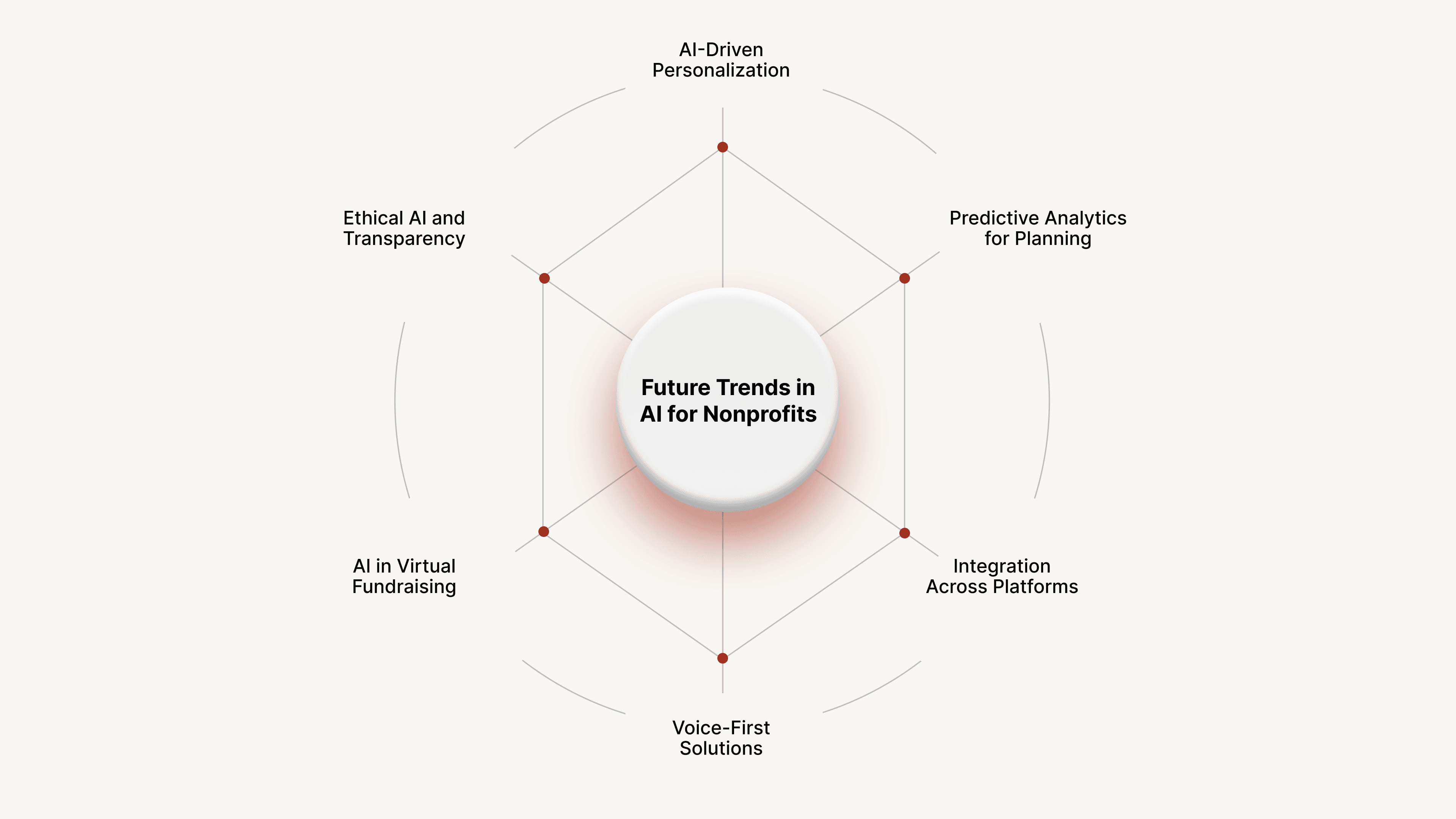
1. AI-Driven Personalization
AI will allow nonprofits to create tailored experiences for donors, volunteers, and beneficiaries by analyzing data to personalize communications and interactions.
Example: AI can customize follow-up messages based on donation history, improving donor retention.
2. Predictive Analytics for Planning
AI will help nonprofits predict trends, such as future donations and volunteer needs, allowing for proactive planning and resource allocation.
Example: AI can forecast when a donor is likely to renew or when extra volunteers are needed for a project.
3. Integration Across Platforms
AI will enable seamless integration across CRM, fundraising, and communication platforms, ensuring a unified view of data and more efficient operations.
Example: AI can sync donor engagement across multiple platforms and update the CRM automatically.
4. Voice-First Solutions
Nonprofits will adopt voice-based AI to improve accessibility and engagement, making it easier for supporters to interact via voice assistants.
Example: AI voice agents can allow donors to make contributions through voice commands, enhancing convenience.
5. AI in Virtual Fundraising
AI will automate tasks like registrations, reminders, and follow-ups for virtual and hybrid events, helping nonprofits manage fundraising more efficiently.
Example: AI can send thank-you messages and donation reminders after virtual events, saving time.
6. Ethical AI and Transparency
As AI usage grows, nonprofits will prioritize ethical AI practices, ensuring data is used responsibly and in compliance with privacy regulations.
Example: AI systems should provide transparent data usage reports to maintain donor trust and ensure compliance with GDPR.
How CubeRoot Empowers Nonprofits With AI Voice Agents
CubeRoot’s enterprise voice AI platform provides capabilities that nonprofit organizations can adapt to automate engagement and support operations efficiently.
Scalable Voice Automation: The platform handles high volumes of inbound and outbound interactions with human‑like multilingual voice agents.
24/7 Availability: Agents operate continuously, enabling nonprofits to maintain engagement with donors, volunteers, and beneficiaries at any hour.
Multilingual Support: CubeRoot’s technology supports multiple languages and accents, helping organizations engage diverse audiences without language barriers.
Integration‑Ready: The platform integrates with CRM, customer data, and backend workflows, ensuring interactions can use real‑time information for accurate conversations.
Compliance‑Focused Security: With enterprise‑grade safeguards and compliance practices, CubeRoot ensures interactions are secure and auditable.
Ready to transform your borrower communication and collections workflows? Book a Cuberoot demo today and see how Voice AI can automate up to 70% of your microfinance operations, accurately, securely, and at scale.
FAQs
1. What are AI voice agents?
AI voice agents are systems that use natural language processing (NLP) and speech recognition to interact with people through voice, automating tasks like donor engagement and volunteer coordination.
2. How can AI voice agents benefit nonprofits?
AI voice agents automate routine tasks such as donor reminders, volunteer sign-ups, and event registrations, freeing up staff time and improving engagement while reducing operational costs.
3. Are AI voice agents cost-effective for nonprofits?
Yes, they reduce labor costs by automating repetitive tasks, provide 24/7 availability, and scale efficiently, particularly during peak periods like fundraising campaigns.
4. Can AI voice agents integrate with nonprofit systems?
Yes, they can integrate with existing systems like CRM and donor management software, providing seamless data flow and a unified view of supporter interactions.
5. How secure is the data handled by AI voice agents?
AI voice agents can comply with data protection regulations such as GDPR, ensuring secure processing and storage of sensitive donor and beneficiary information.
6. How do AI voice agents improve donor engagement?
They automate personalized follow-ups, donation reminders, and tax receipts, enhancing the donor experience and increasing retention rates.